

The power goes out mid-August, and within an hour, your house starts working against you. The AC stops, the fridge starts warming, and every window you open just lets more Louisiana humidity in instead of relief.
If you’ve lived through even one hurricane season in Acadiana, you already know: losing power here isn’t just inconvenient, it’s genuinely uncomfortable and, depending on how long it lasts, expensive.
A whole-home generator solves that problem before it starts. Here’s what to know before you buy one.
Standby Generator vs. Portable Generator
This is usually the first fork in the road, and the two aren’t really interchangeable.
Portable Generators
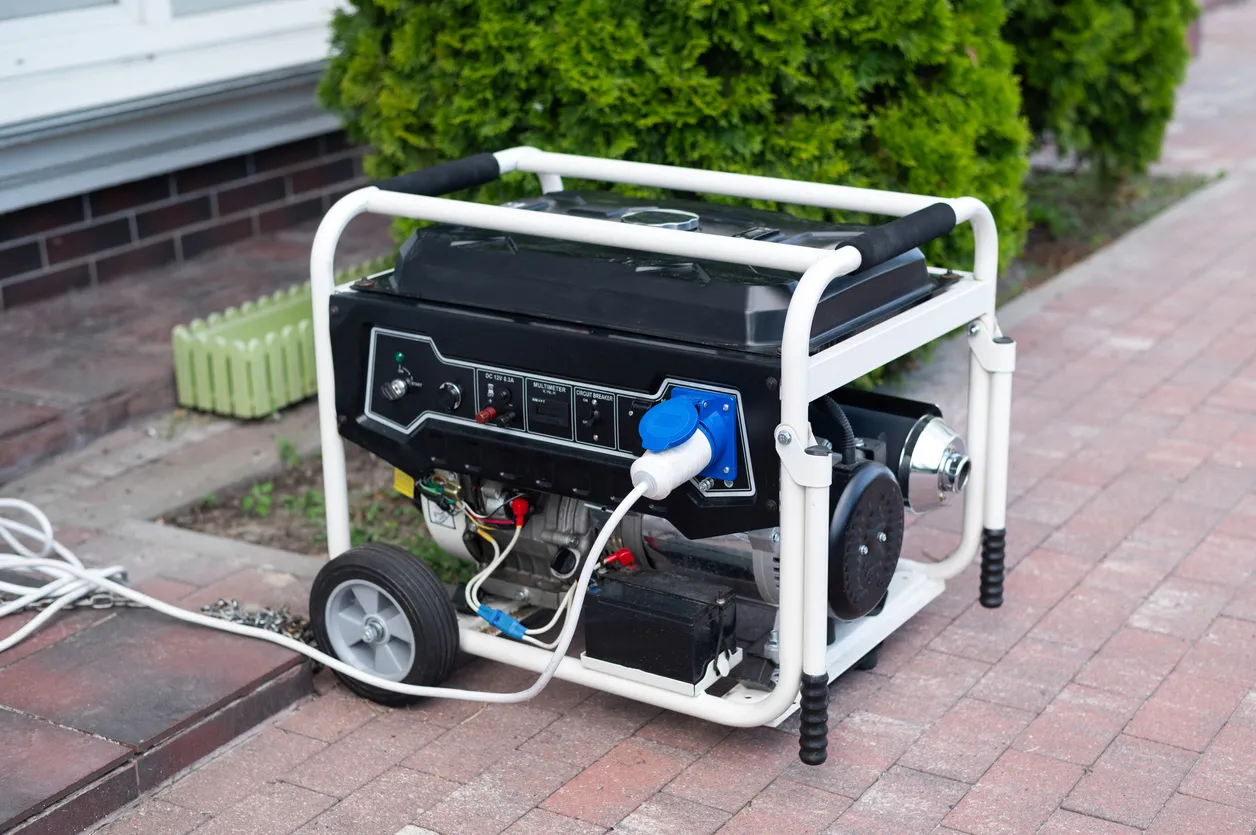
Portable generators run on gasoline and need to be manually set up and fueled. They typically power a handful of essentials, think a refrigerator, some lights, maybe a window unit.
They’re a reasonable option if your outages are short and your needs are modest. But they require you to be home to start them, and running one safely means keeping it outside, away from windows and doors, which limits how much of your home it can practically power, especially something as electrically demanding as central air.
Standby Generators
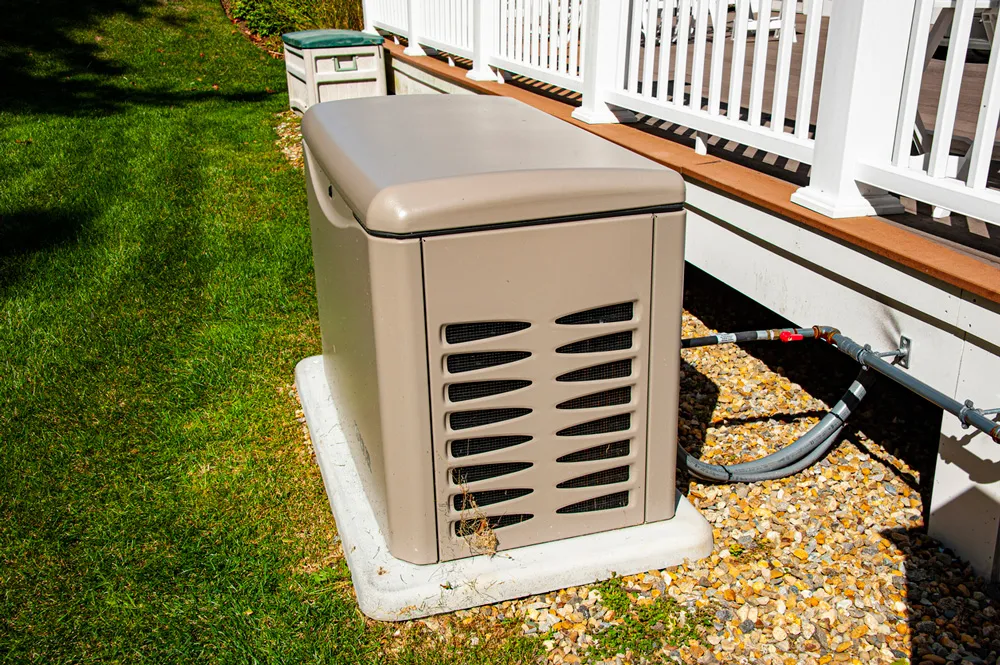
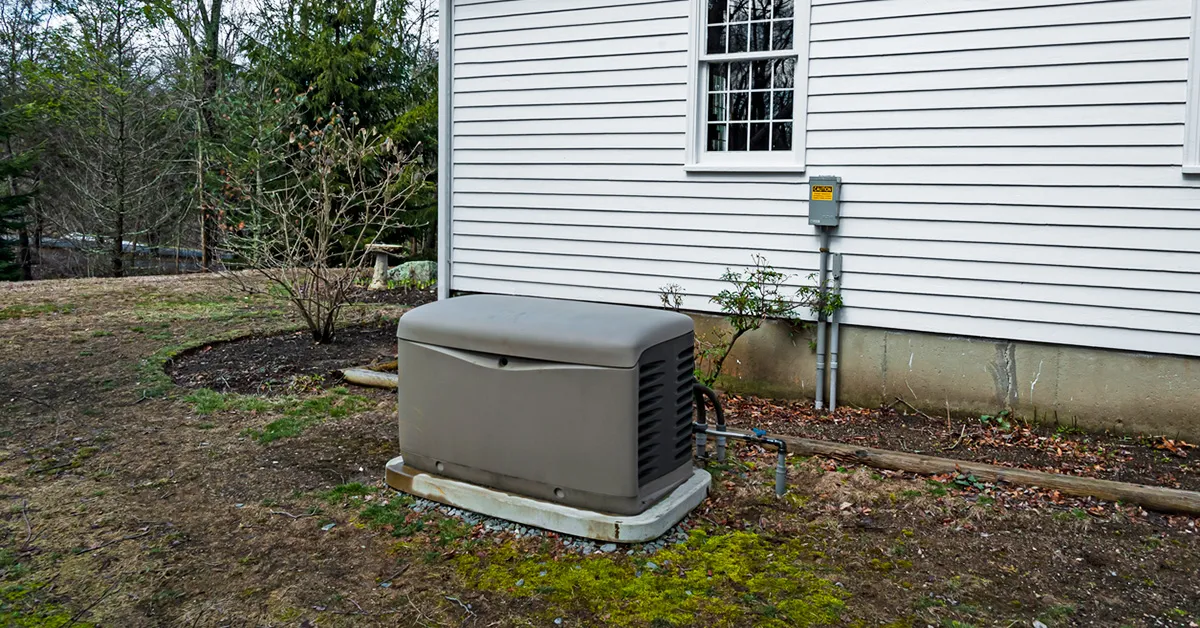
Standby generators are permanently installed outside your home and wired directly into your electrical system. When the power goes out, they detect the outage and start automatically, usually within seconds, whether you’re home or not.
They run on natural gas or propane instead of gasoline, so there’s no manual refueling mid-storm. They’re also sized to handle significantly more of your home’s electrical load, including your AC.
For most Acadiana homeowners, the real question isn’t which is “better. It’s whether you’re trying to survive a short outage with the basics covered, or keep your household genuinely running, AC included, through something longer.
What Size Generator Do You Need to Run an Air Conditioner?
This is where a lot of homeowners get tripped up. Central air conditioners draw a lot of power the moment they start, called starting or “surge” watts, before settling into a lower running wattage. A generator that can handle your AC’s running load but not its starting surge will stall out the moment the compressor kicks on.
| Generator Type | Typical Size | Handles a Central AC’s Startup Surge? |
|---|---|---|
| Portable Generator | 3,000–5,000 watts | Rarely, on its own |
| Small Standby Generator | 14–20 kW | Yes, AC plus essential circuits |
| Larger Standby Generator | 22–26 kW | Yes, AC plus most or all of your home |
The right size for your home depends on your AC’s tonnage, your home’s square footage, and how much of your electrical system you want covered during an outage, just the essentials versus your whole home. That’s not something to eyeball. A proper load calculation, done by a technician at Butcher AC, is the only reliable way to know what size generator you need in Louisiana for your specific home.
What Professional Generator Installation at Butcher AC Involves
A standby generator isn’t a plug-and-go appliance. Installing one correctly involves several steps that go beyond just setting a unit in the yard:
- A load calculation to determine how much of your home’s electrical system the generator needs to support
- An automatic transfer switch, which is what allows the generator to detect an outage and take over instantly without you flipping anything manually
- A dedicated fuel line connection, tied into your natural gas or a propane tank
- Proper placement, following manufacturer and code requirements for clearance from windows, doors, and property lines
- Electrical permitting and inspection, since this is a permanent connection to your home’s electrical system, not a temporary setup
Skipping or rushing any of these steps isn’t just a performance issue; it’s a safety one. This is a job for a licensed HVAC and electrical team, not a DIY weekend project.
Generator Installation Cost in Lafayette, LA
Pricing depends on the generator’s size, your home’s electrical setup, and how much work the fuel connection requires. Once you factor in the unit, transfer switch, and installation labor, most whole-home standby systems land in the range of several thousand dollars.
It’s a high cost, but consider what it’s protecting against: spoiled groceries, a home that heats up fast in Louisiana summer, and the stress of not knowing how long an outage will last. For homes with medical equipment or anyone working from home, that reliability can matter even more. Unlike a portable unit you have to manage yourself, a standby generator works automatically, whether you’re home or not.
The exact price depends on your specific home, so a proper estimate matters more than a ballpark guess. Financing is always available at Butcher AC to help families offset the costs of important home upgrades and repairs.
Hurricane Power Outage Preparation Starts Before the Forecast
The single biggest mistake homeowners make with generators is waiting too long. Installers across the Gulf Coast get slammed with requests the moment a storm is named and tracking toward Louisiana, which means limited scheduling availability right when demand is highest. By the time a hurricane is in the forecast, it’s often too late to get a standby generator installed before it arrives.
The best approach is treating generator installation like any other seasonal prep, done in late winter or early spring, well ahead of hurricane season’s official June 1 start and its higher-risk stretch from mid-August through mid-October. That timing gives you a working system months before you’d ever actually need it, not a rushed install days before a storm.