


The short answer: it can be, particularly if it happens frequently. Below, we’ll explain how flip-flopping affects your HVAC system, when it becomes harmful, and the top signs you may need professional HVAC service in South Louisiana
Modern HVAC systems are built to handle seasonal changes, but frequent switching between heating and cooling puts extra strain on key components.
Added Wear on HVAC Components
Each time your system changes modes, parts like the compressor, electrical components, and motors must shut down and restart. Over time, this repeated stress can lead to:
If your home uses a heat pump, switching between heat and AC relies on a reversing valve. Constant flip-flopping can:
Because compressor replacements are one of the most expensive HVAC repairs, preventing unnecessary wear is critical.
Switching modes occasionally won’t damage your system. However, problems often occur when:
HVAC professionals recommend waiting at least 10–15 minutes before switching from heat to cool or vice versa.
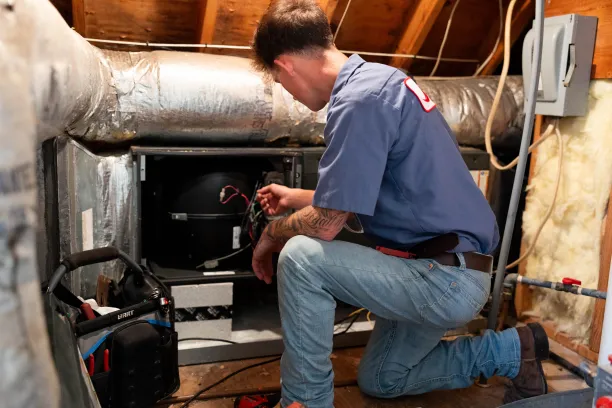
If frequent switching is causing HVAC problems, homeowners often notice these warning signs:
Buzzing, grinding, rattling, or clicking sounds during startup may signal stressed electrical or mechanical components.
If your system hesitates or fails to turn on after switching from heat to AC, it may be time for professional HVAC service.
Inconsistent airflow or air that doesn’t feel warm or cool enough could indicate internal strain or airflow issues.
If your utility bills rise during mild weather, excessive switching between heating and cooling may be lowering efficiency.
Short cycling—when the system turns on and off frequently—is a common sign of HVAC stress and should be addressed quickly.
If your thermostat keeps calling for heating and cooling back-to-back, your HVAC system is working harder than it should.
You can stay comfortable while protecting your HVAC investment with these tips:
Use Thermostat Auto Mode Correctly
Set at least a 3–5 degree difference between heating and cooling temperatures to reduce constant switching.
Reduce the Need to Flip-Flop
During mild South Louisiana weather, try:
Schedule Preventive HVAC Maintenance
Routine HVAC maintenance helps your system handle temperature changes efficiently and prevents unexpected breakdowns.
Upgrade to a Smart Thermostat
Smart thermostats help limit unnecessary switching, improve energy efficiency, and extend HVAC system life.
Whether you need a repair, a full system replacement, or just want to understand your options, contact the team at Butcher AC. We’re here to make the transition as easy — and affordable — as possible.
 Call 24/7 (337) 307-4418