



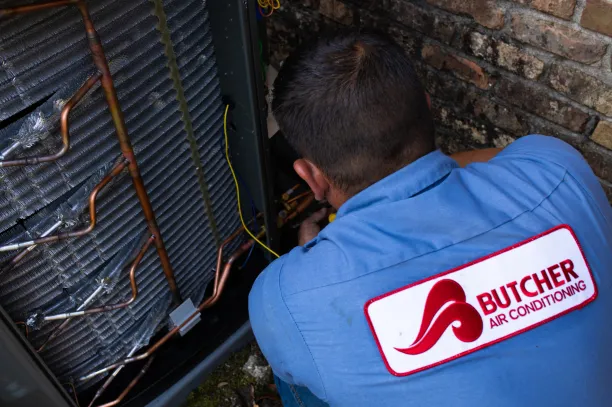
When temperatures drop, keeping your home warm and comfortable is a top priority. However, with so many heating options available, choosing between a heat pump and a traditional heater (like a furnace or electric heater) can be challenging. Each system has unique benefits, making it ideal for certain climates, budgets, and energy preferences. In this blog, we’ll explore the key differences between a heat pump and a traditional heater to help you make the best choice for your home.
A heat pump is an energy-efficient system that can both heat and cool your home. Rather than generating heat, it transfers heat from one location to another. In winter, it pulls heat from the outdoor air—even in cold temperatures—and moves it inside. During warmer months, the process reverses, and the heat pump acts like an air conditioner to cool your home.
Energy Efficiency: Heat pumps are highly efficient because they transfer heat instead of producing it. This results in lower energy costs, especially in mild climates.
Dual-Purpose System: A heat pump can heat and cool your home, eliminating the need for separate systems.
Environmentally Friendly: Heat pumps use electricity and don’t burn fossil fuels, making them a greener heating solution.
Lower Operating Costs: While the upfront cost can be higher, heat pumps typically lead to savings on energy bills over time.
When people refer to a “heater,” they typically mean systems like gas furnaces, electric furnaces, or space heaters. These systems generate heat using combustion (burning natural gas, propane, or oil) or electric resistance. Furnaces, for instance, are highly effective at delivering strong, consistent heat during cold weather.
Powerful Heating: Traditional heaters produce high heat output, making them ideal for extremely cold climates.
Lower Upfront Costs: Furnaces and electric heaters typically cost less to install compared to a heat pump.
Reliable in Cold Temperatures: Unlike heat pumps, traditional heaters maintain efficiency in sub-zero temperatures.
|
Feature |
Heat Pump |
Traditional Heater |
|
How it Works |
Transfers heat from outside to inside |
Generates heat via combustion or electricity |
|
Heating Capability |
Best for mild to moderate climates |
Ideal for extremely cold climates |
|
Energy Efficiency |
Highly efficient, uses less energy |
Can consume more energy, especially electric models |
|
Cooling Capability |
Provides cooling during summer |
Heating only |
|
Upfront Costs |
Higher installation cost |
Lower initial cost |
|
Operating Costs |
Lower utility bills in mild climates |
Can be higher depending on fuel type |
|
Environmental Impact |
Eco-friendly with no fossil fuel use |
Emits carbon if using natural gas or oil |
Choose a Heat Pump If:
Choose a Traditional Heater If:
While heat pumps tend to have a higher initial installation cost, they offer significant energy savings over time, especially in areas with mild winters. Traditional heaters, such as gas furnaces, may cost less to install but could result in higher utility bills if fuel prices are high.
For homes in colder climates, the efficiency and powerful heating capability of a traditional furnace often outweigh the energy benefits of a heat pump. However, in areas with mild weather, the energy efficiency and dual functionality of a heat pump make it the smarter choice.
Choosing the right heating system for your home can significantly impact your comfort, energy usage, and utility costs. At Butcher Air Conditioning, we specialize in helping homeowners find the ideal solution for their needs. Whether you’re interested in a heat pump or a traditional heater our team of experts is here to guide you every step of the way.
To learn more or schedule a consultation, visit our Heating Services page today.
By understanding the pros and cons of heat pumps versus traditional heaters, you can make a confident choice that keeps your home warm and efficient all winter long. Butcher AC is here to ensure your comfort and help you make the best decision for your home!
 Call 24/7 (337) 307-4418